 by Lea Nogueira
How to clean and care for silver jewellery
Why silver tarnishes, how to keep your jewellery looking new, and when a professional clean is worth it.
Sterling silver is a noble metal, but a living one: over time and in contact with air it tends to darken. The good news is that with a few simple habits your jewellery keeps its shine for many years — and when it does tarnish, there's almost always a fix.
Why silver tarnishes
Tarnish isn't rust or dirt: it's a natural reaction between silver and sulphur compounds in the air, humidity, skin and many everyday products. A thin layer forms, first yellowish, then brown and finally almost black.
Some factors speed it up: humidity, heat, perfume, creams, hairspray, chlorinated pools, seawater, some foods and even certain rubbers and cardboard used in packaging. That's why some pieces darken quickly in a bathroom and stay bright in a dry drawer.
It isn't a defect, and it doesn't mean the silver is "fake". 925 silver — the most common in jewellery — is 92.5% silver and 7.5% other metals, usually copper, which add strength. Read more in 925 silver, sterling and gold plating explained.
Every day
- Last on, first off. Put jewellery on after perfume, creams and hairspray, and take it off before undressing or showering.
- Take it off to swim, exercise, clean with chemicals or cook.
- Wear it. It sounds contradictory, but gentle contact with skin and clothes polishes silver. Pieces worn often tarnish less than those stored for years.
- Dry it if it gets wet, before putting it away.
How to store it
- Keep each piece separately in a closed pouch or box. It limits contact with air and stops pieces scratching each other.
- Avoid bathrooms and damp places.
- Store chains fastened and laid straight to avoid knots.
- A small moisture-absorbing sachet in the box helps.
How to clean at home
Most of the time a silver polishing cloth is all you need: a soft cloth impregnated with a mild compound that removes light tarnish. Rub gently, without forcing, and finish with a dry cloth.
If the piece is just dull or has cream residue, wash it in warm water with a drop of neutral detergent, rinse and dry thoroughly with a soft cloth.
What to avoid
- Toothpaste and baking soda scrubbed hard — they're abrasive and scratch the surface.
- Chemical dips on pieces with stones, pearls, enamel or gold plating — they can damage the finish.
- Brushes on filigree — the wires are fine and can bend or come loose.
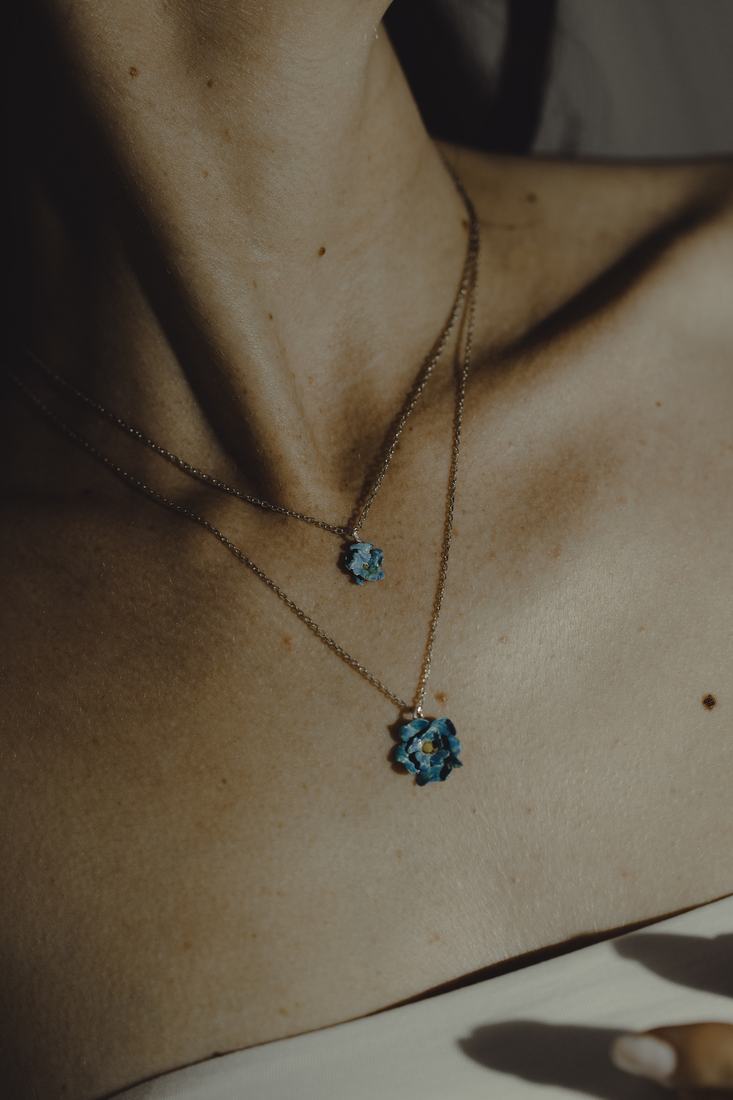
- Cleaning intentional patina — some pieces are deliberately darkened in the recesses to bring out the design. Polishing everything erases that effect.
Gold-plated pieces
Gold plating is a thin layer and wears naturally. To make it last: clean only with a soft dry cloth, avoid spraying perfume on the piece, and don't use impregnated polishing cloths, which wear the gold away. When the plating wears, it can be renewed.
Filigree pieces
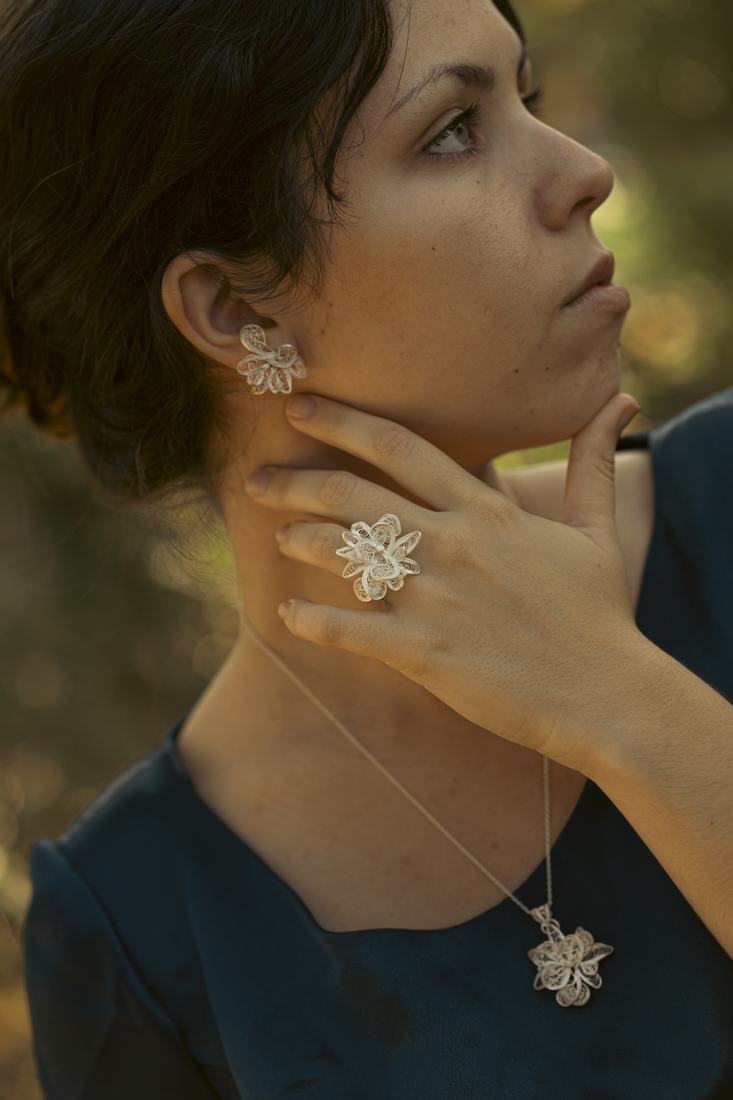
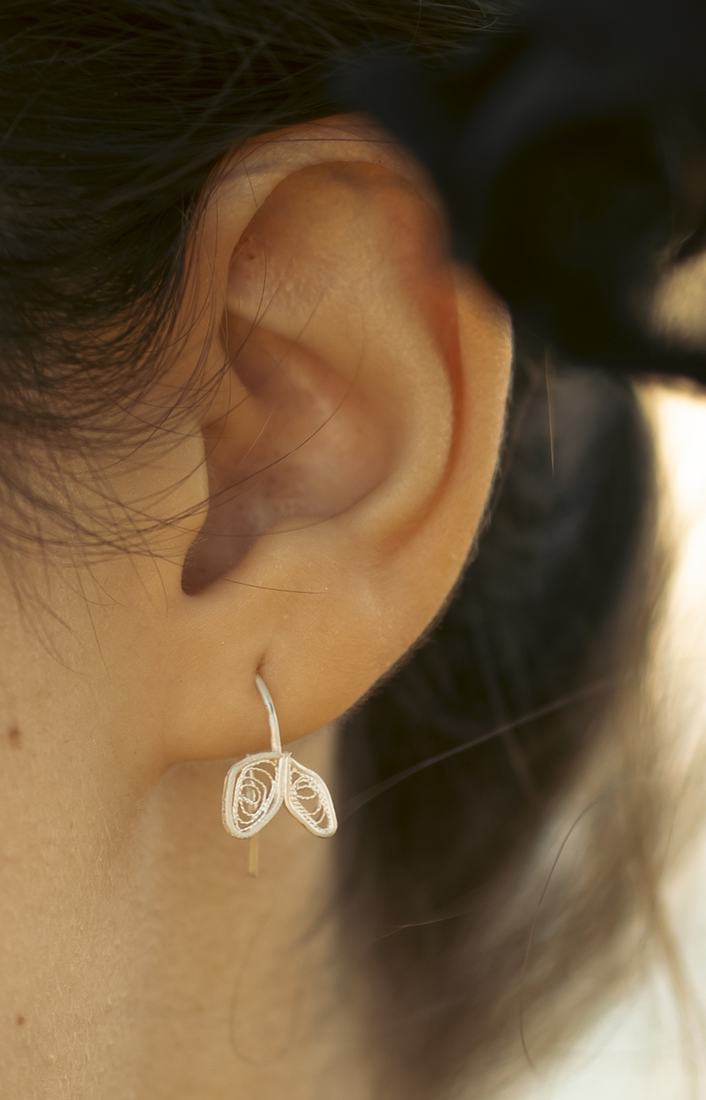
Filigree is open and delicate. Wipe it with a soft cloth without pressing, and store it where it can't be crushed. If an old piece has loose or dented wires, don't try to straighten it at home — read about filigree restoration.
When to take it to a jeweller
- When tarnish is deep and the cloth no longer works.
- When the piece has hard-to-reach areas, such as filigree or fine chains.
- When you'd like clasps, prongs and solder joints checked at the same time.
- Before a special occasion, to make it look like new.
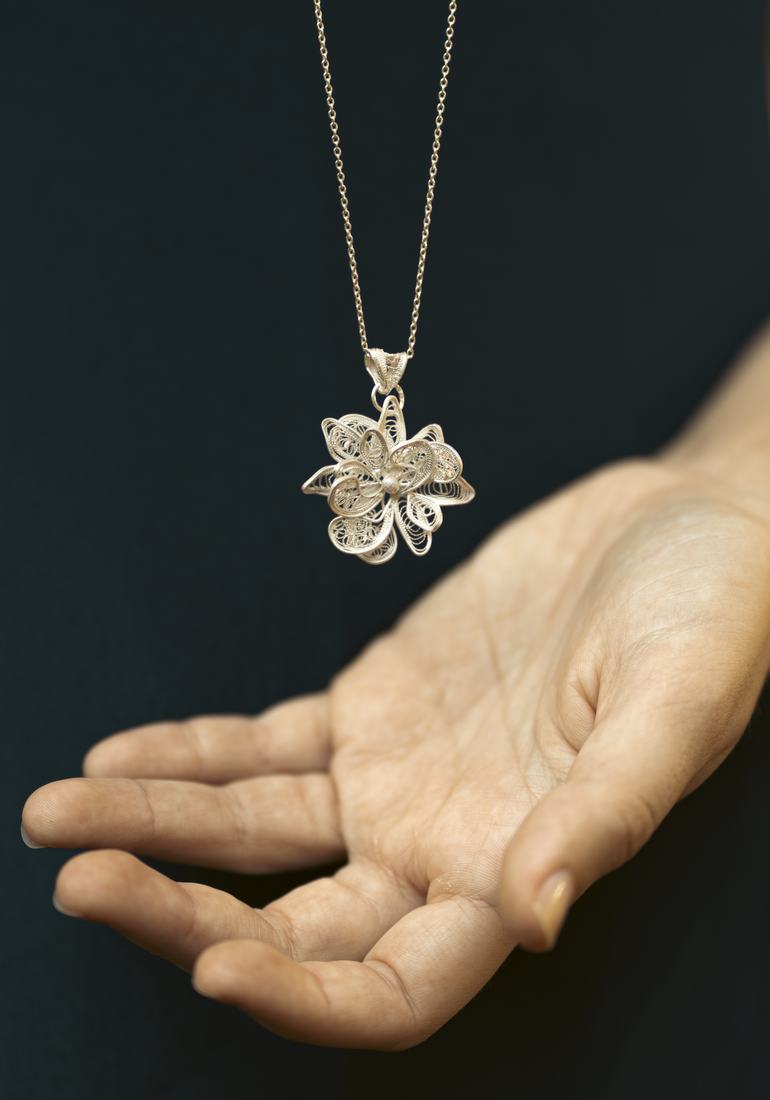
At the atelier we offer jewellery cleaning and polishing for silver and gold, adapted to each finish, and check whether the piece needs any repair. See also our jewellery care page.
Cleaning & polishing
Bring the shine back to silver and gold. Free quote, a photo is enough.
Request a quote