 by Lea Nogueira
925 silver, sterling silver and gold plating: what each term means
925 silver, sterling, gold plating, vermeil: a clear guide to what you're buying and how each metal ages.
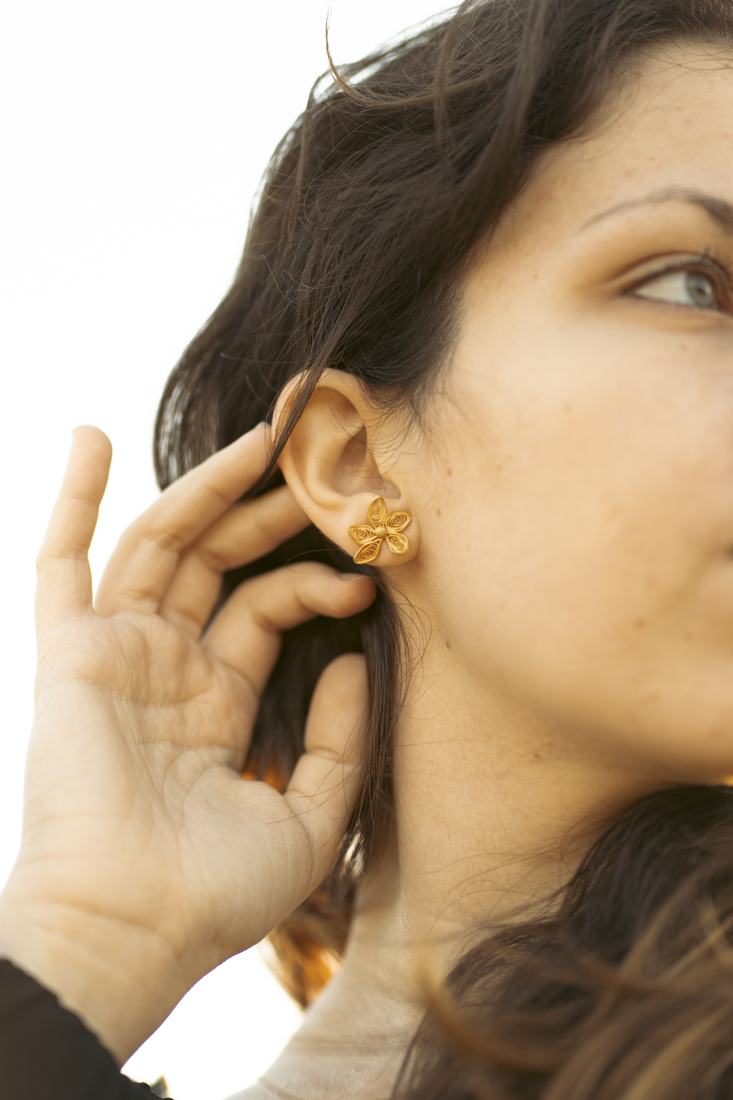
When you buy jewellery you come across terms that seem to mean the same thing but don't: 925 silver, sterling, gold-plated, gold-filled, vermeil, 19.2-karat gold. This guide explains each one, so you know exactly what you're buying and how it will age.
Fine silver and 925 silver
Pure silver (999) is too soft for everyday jewellery: it scratches, bends and deforms easily. So jewellery silver is almost always an alloy: silver mixed with a small percentage of another metal, usually copper, for strength.
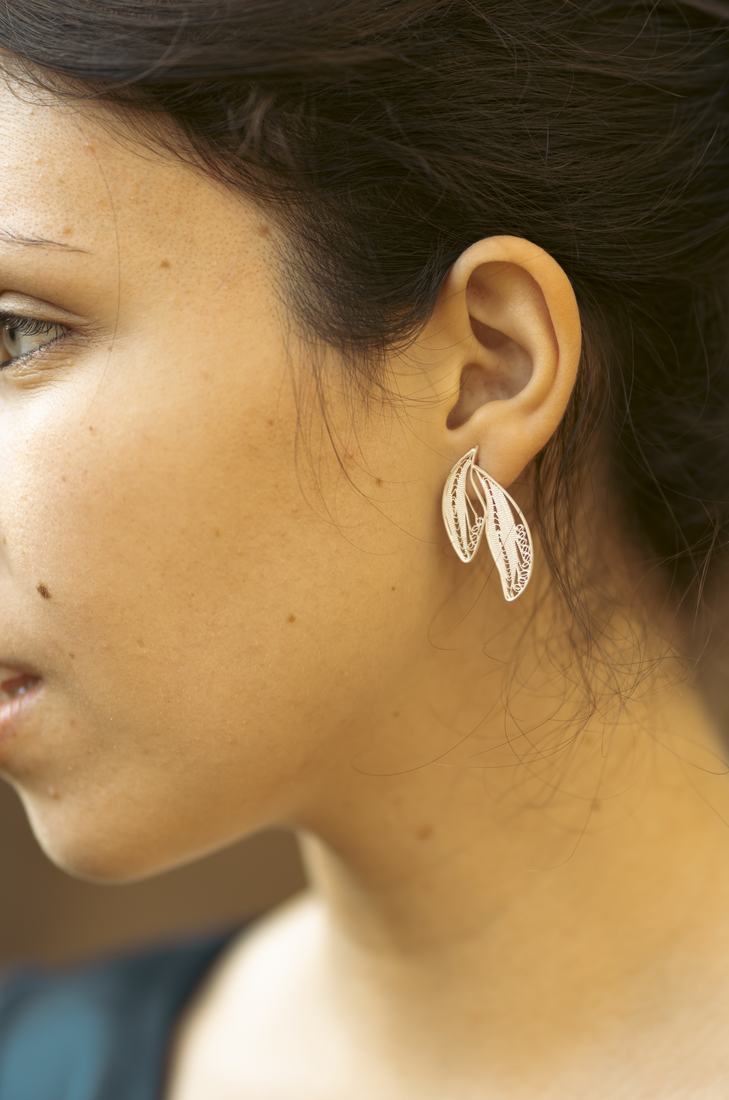
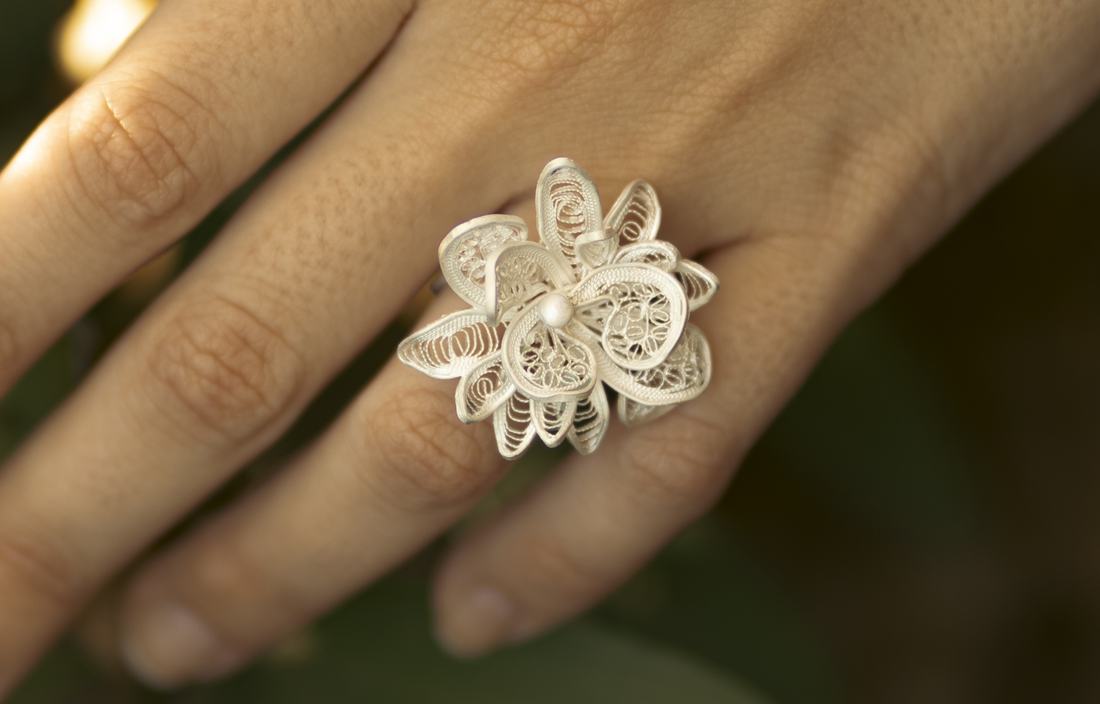
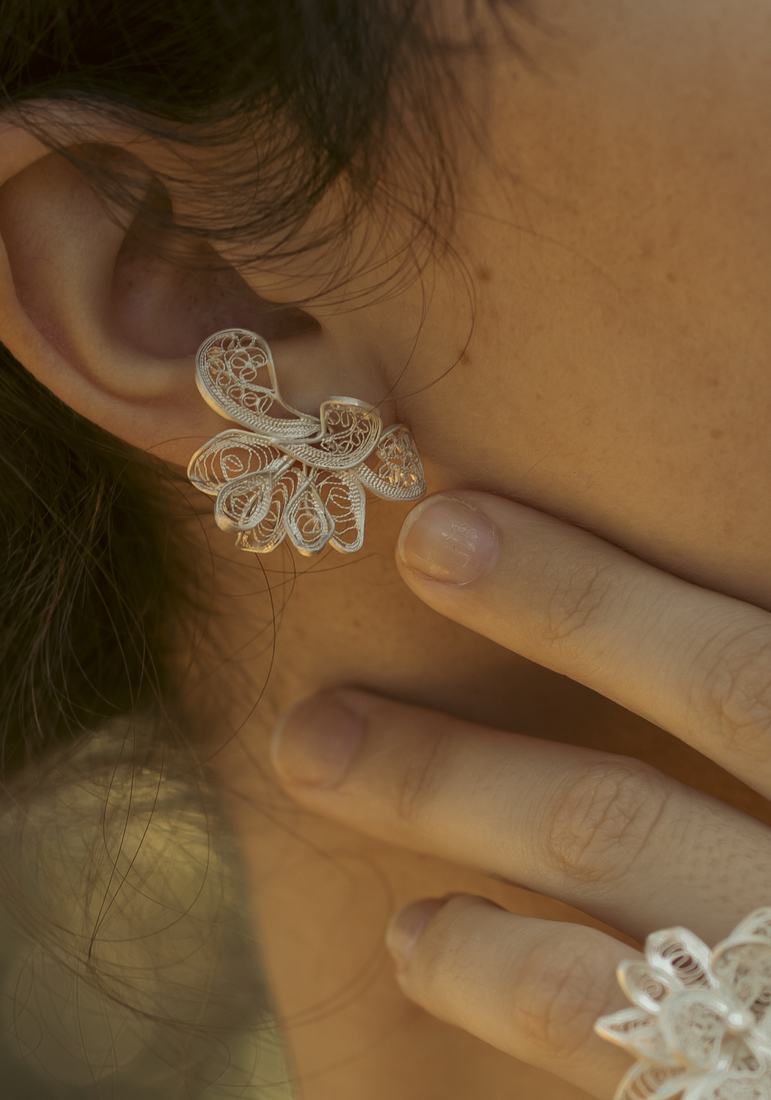
925 silver contains 925 parts silver per thousand — 92.5% silver. It's the international standard for quality jewellery, also known as sterling silver, and it's what we use for Ignis pieces.
What "prata de lei" means
In Portugal, "prata de lei" (legal-standard silver) is silver with a minimum fineness set by law and guaranteed by official marks. The term is mostly used for 925 silver, though other legal standards exist. What matters is that a piece sold as such carries the marks — we explain them in Portuguese hallmarks.
Gold plating
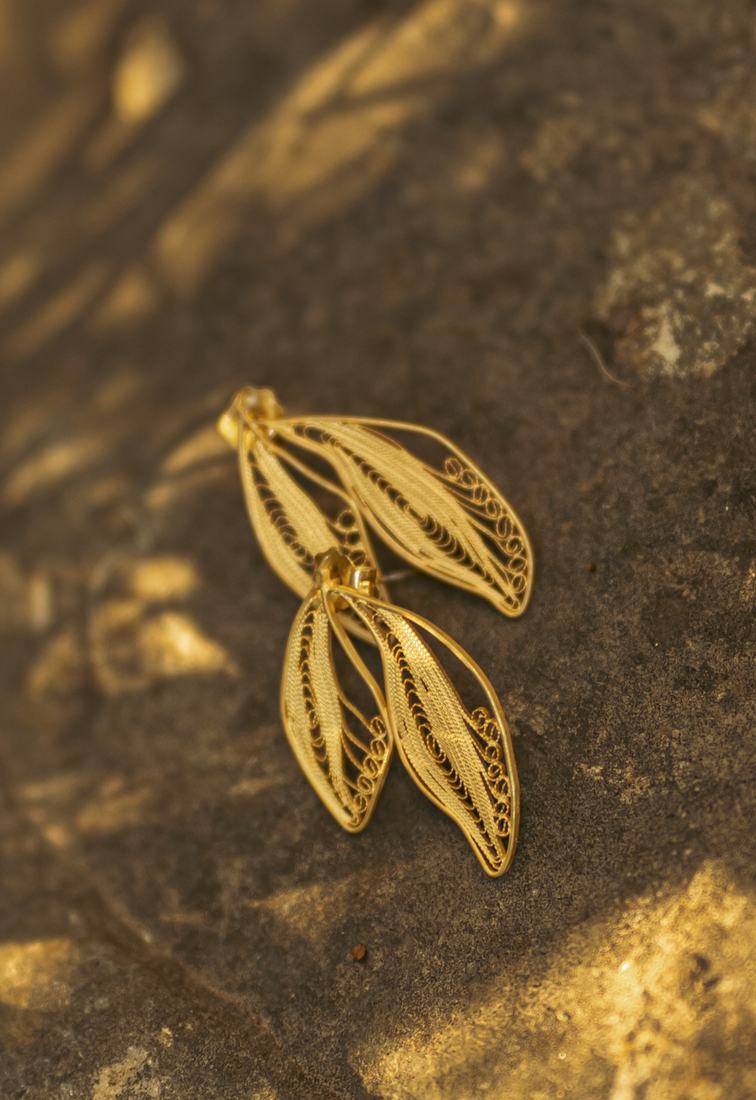
A gold-plated piece is made from a base metal — in our case, 925 silver — and given a thin layer of gold by electroplating. It has the colour and shine of gold at a much more accessible price.
Plating is a thin layer and wears with use, especially in high-friction areas: the inside of a ring, the edges of a pendant. How fast depends on the thickness, wear and care. When it wears, a jeweller can renew it.
On silver pieces, wear reveals silver underneath, still a precious metal. On base-metal pieces (brass, copper), wear reveals a metal that may darken or irritate sensitive skin.
Gold-filled
"Gold-filled" (or rolled gold) traditionally means a much thicker gold layer than plating, bonded to a base metal. In practice, terms are used loosely in retail. Always ask what the base metal is and, if possible, how thick the layer is.
Vermeil
Vermeil is silver (usually 925) with a gold layer thicker than ordinary plating. Some markets set a minimum thickness for the term. It lasts longer than thin plating while staying cheaper than solid gold.
Solid gold
In solid gold, the whole piece is a gold alloy. Purity is measured in karats or parts per thousand:
- 24 karat (999) — virtually pure gold, very soft.
- 19.2 karat (800) — so-called "Portuguese gold", traditional in Portuguese jewellers.
- 18 karat (750) — the most common international standard.
- 14 and 9 karat (585 and 375) — alloys with less gold, tougher and cheaper.
The colour of gold (yellow, white, rose) depends on the metals it's alloyed with.
Which to choose
- For carefree everyday wear: 925 silver or solid gold.
- For the colour of gold at an accessible price: gold-plated 925 silver, knowing the plating will need renewing over time.
- For a piece for life: solid gold, or well-made 925 silver.
What to ask before buying
- What is the base metal?
- If plated, over what metal and how thick?
- Does it carry hallmarks?
- Can the plating be renewed?
At Ignis
Our pieces are made in 925 silver, and some are 18k gold-plated, always stated in the description. Browse the shop, and keep your pieces beautiful with our silver care advice.