 by Lea Nogueira
Filigree restoration: how an antique piece is brought back
Viana hearts missing infill, dented earrings, pendants coming apart: what happens at the bench when filigree is restored.
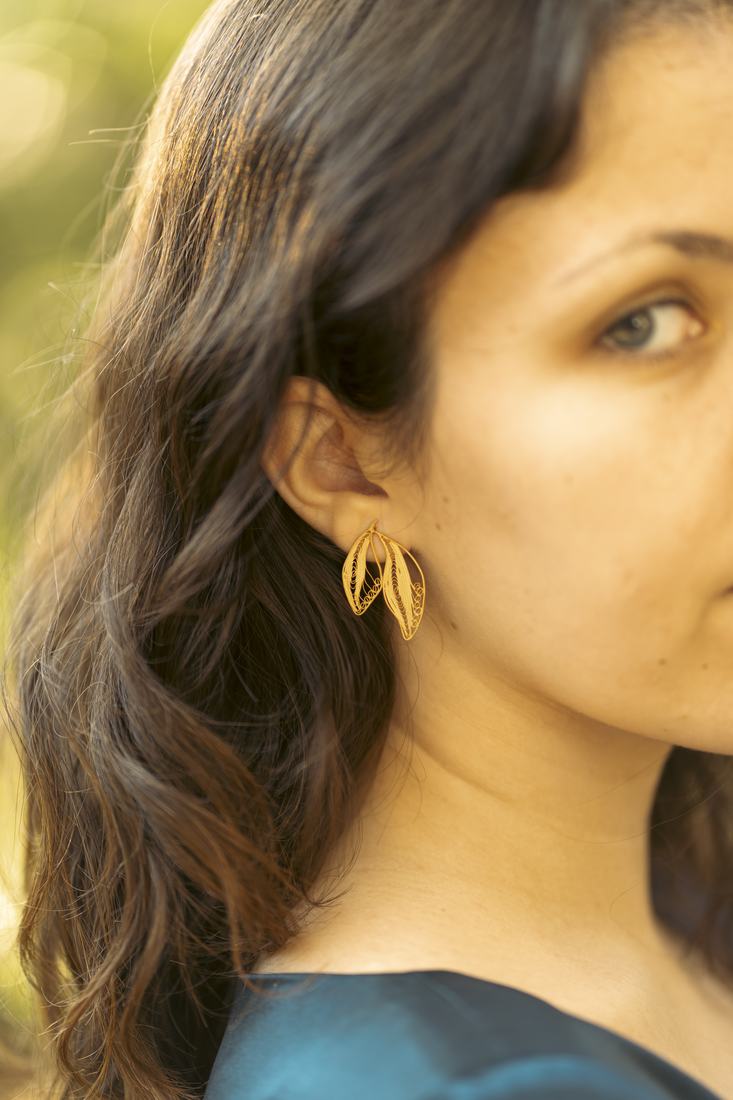
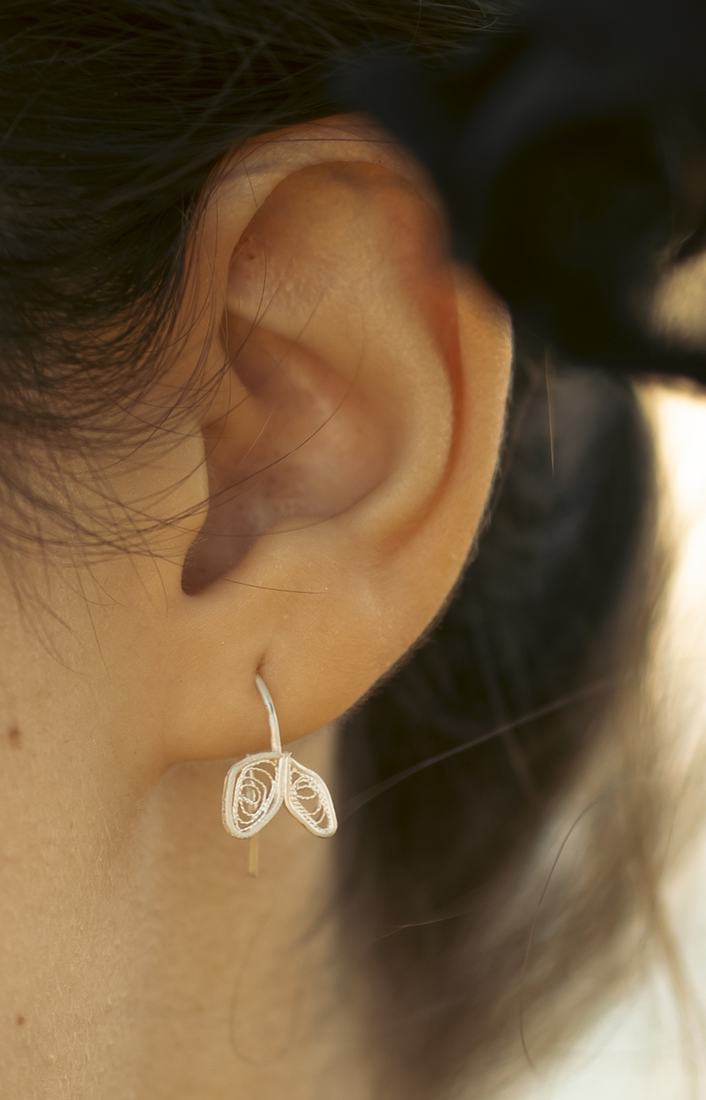
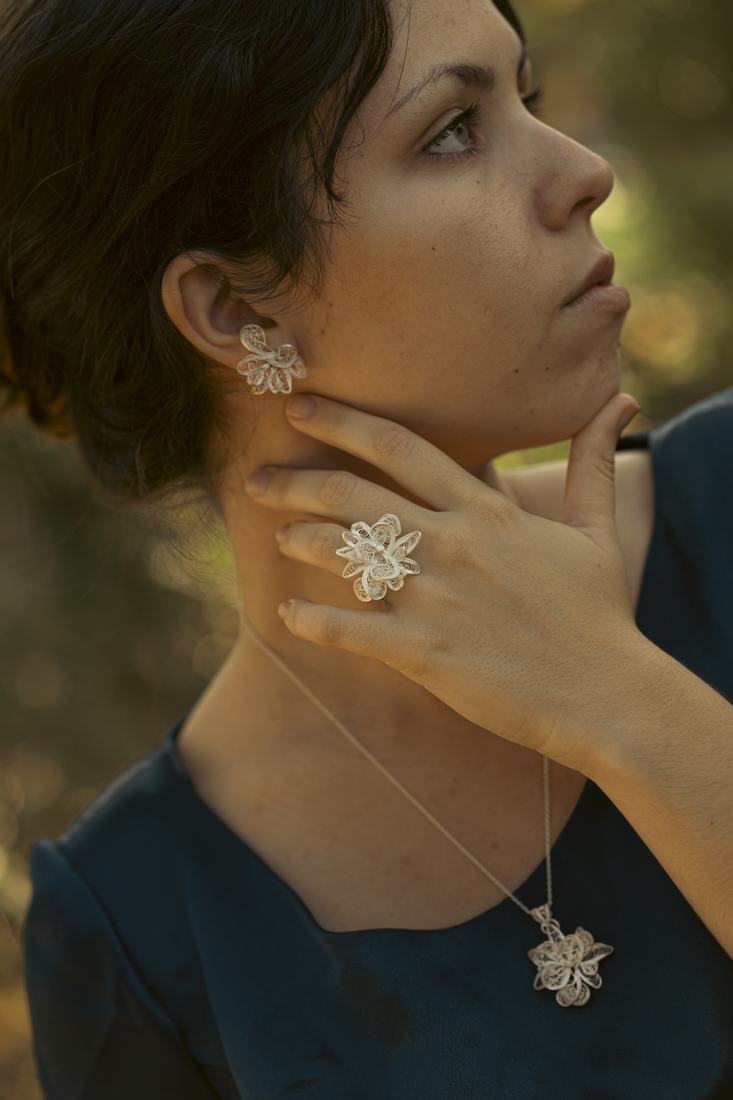
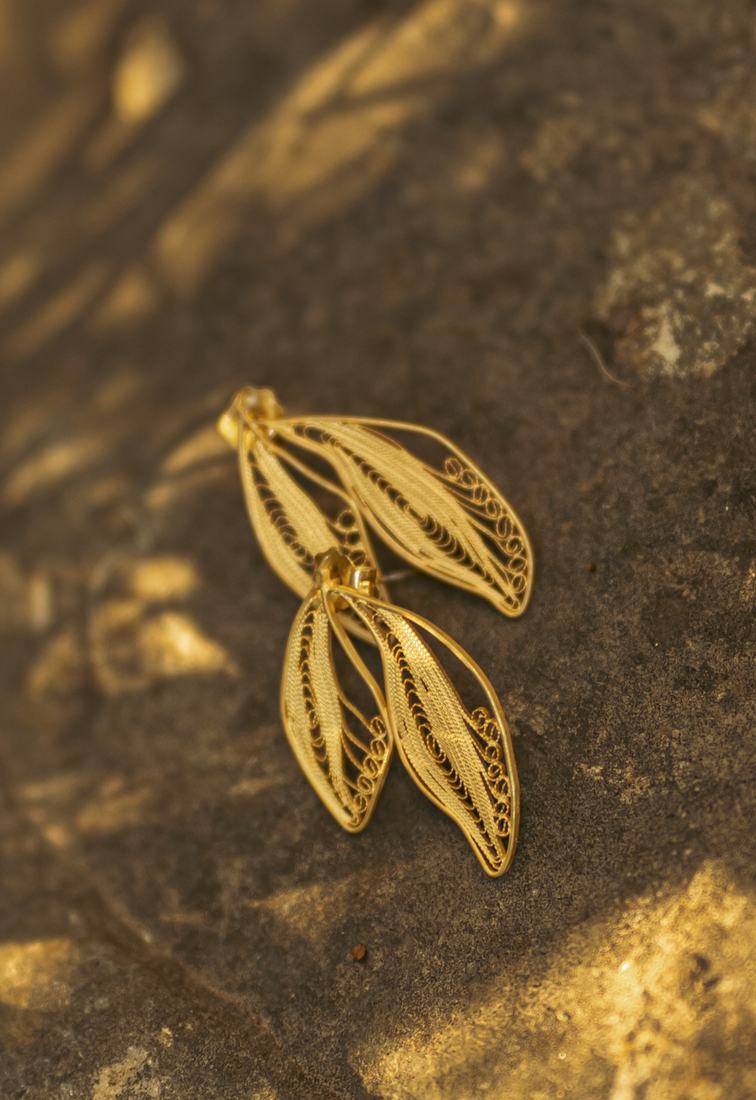
Filigree is one of the most beautiful techniques in Portuguese jewellery, and one of the most fragile. Wires are fine, solder joints are many, and decades of wear leave their mark: loose infill, dented frames, broken jump rings. Restoring filigree is slow work that requires knowing the technique the piece was made with.
The most common damage
- Missing infill: small spirals that came loose and were lost.
- Broken or lifted wires that catch on clothing.
- Dented frames, especially in pieces with volume such as hearts and beads.
- Loose solder joints between the two halves of a piece.
- Worn or broken jump rings and clasps.
- Poor old repairs, with excess solder or wires swapped for different ones.
How restoration is done
1. Assess
First, the piece is examined under magnification: metal, wire type, infill shape, previous repairs, fragile areas. We decide what to restore and, just as important, what to leave alone.
2. Clean carefully
Dirt between the wires hides damage. Cleaning is gentle, without harsh brushes or polishing, so wires don't bend and the patina isn't erased.
3. Straighten the frame
Dented areas are coaxed back into shape with wooden or polished-metal tools, little by little. Forcing can break solder joints.
4. Rebuild the infill
The heart of the restoration. New wire is prepared by hand — drawn, twisted and flattened — at the same gauge and twist as the original. Infill is coiled one piece at a time to match the existing motifs, then fitted in place.
5. Solder without damage
On an old piece, existing joints can reflow under heat. So lower-melting solder, very localised heat and sometimes protection for the rest of the piece are used. This step demands the most experience.
6. Finish to match
The aim isn't for the piece to look new, but whole. Restored areas are finished to match the patina of the rest.
What not to do at home
- Don't straighten wires or frames with pliers: it breaks solder joints.
- Don't use glue: it prevents later restoration.
- Don't use harsh dips or ultrasonic cleaners without knowing the piece's condition.
- Keep any loose infill you find: sometimes it can be refitted.
After restoration
A restored filigree piece can be worn again, with some care: store it where it won't be crushed, clean it only with a soft cloth, and take it off for activities where it could catch. See our silver care advice.
Restore or leave as is?
Restoration isn't always the best option. A piece of historical value can be more interesting with the marks of time than fully remade. The criterion is use: if you want to wear it again, we restore what's needed for that, with minimal intervention.
Filigree is the technique we work with most — in our pieces and in the filigree workshop. If you have a piece to bring back, send us a photo through our filigree restoration service.
Filigree restoration
Bringing antique filigree back to life. Free quote, a photo is enough.
Request a quote